
Engine piston rings: the behind the scenes hero of efficient engine operation
Although the piston ring is just a small component, it plays a crucial role in the performance of the engine. It is like the "guardian" of the engine, responsible for multiple key tasks such as sealing, oil control, and heat conduction, directly affecting the power output, fuel economy, and service life of the engine. Today, let's delve into the mystery of piston rings in 4-cylinder Perkins engines and understand how they silently play a huge role inside the engine.
What is a piston ring
(1) Structure and Classification
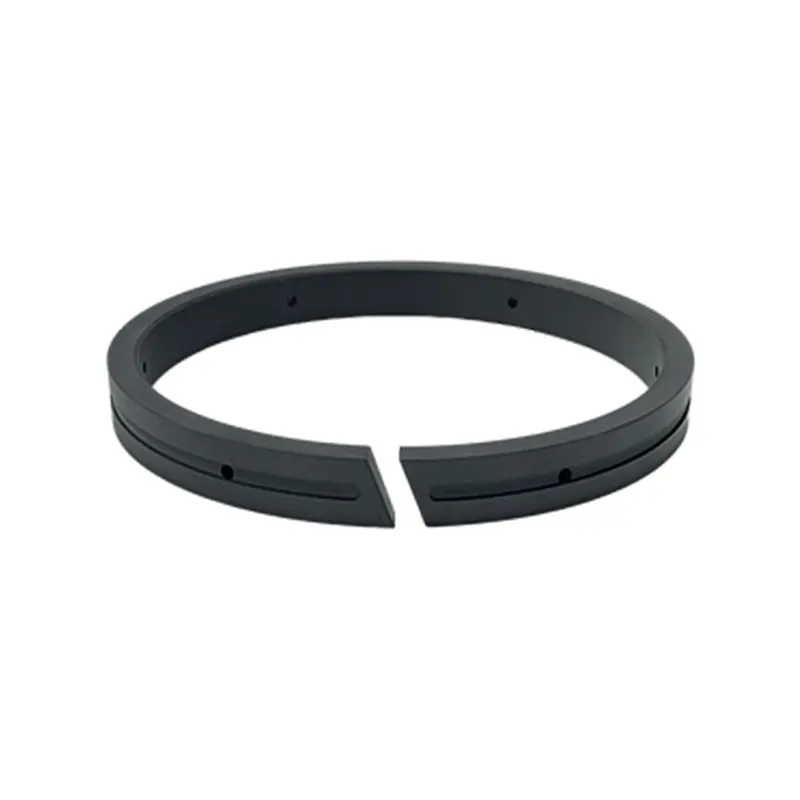
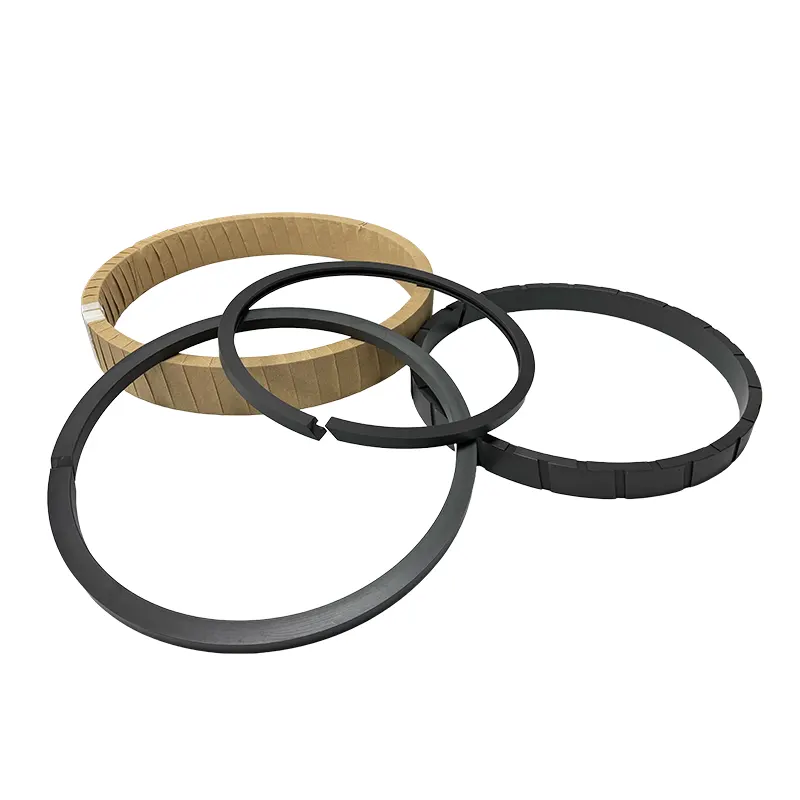
Although the piston ring is small, its structure is exquisite. It is mainly divided into an air ring and an oil ring, with clear division of labor to jointly ensure the stable operation of the engine. Gas rings are often rectangular, twisted, or conical in shape. The rectangular gas ring has a simple structure and is easy to manufacture. It can tightly adhere to the cylinder wall with its own elasticity, effectively sealing the high-pressure gas in the combustion chamber and preventing it from leaking into the crankcase. Twisted ring is based on a rectangular ring, where a portion of the inner or outer edge of the ring is cut off to cause twisting deformation during operation, further enhancing the sealing effect and reducing the "oil pumping phenomenon". The outer surface of the conical gas ring is conical, with a small contact area with the cylinder wall and a high unit area pressure, which is beneficial for initial running in and sealing.
The oil ring is mainly responsible for scraping off excess oil on the cylinder wall to prevent oil from entering the combustion chamber and participating in combustion, causing problems such as carbon deposition and excessive oil consumption. Common oil rings include regular oil rings and combination oil rings. Ordinary oil rings are generally machined with annular grooves on the outer surface of the ring, and there are many oil return holes drilled in the grooves. During operation, the excess oil is scraped off by the elasticity of the ring and the oil scraper blade, and flows back to the oil pan through the oil return holes. The combination oil ring is composed of oil scraper blades, lining springs, etc. The oil scraper blades are thin and have good elasticity, which evenly distributes pressure on the cylinder wall and has strong oil scraping ability. They are widely used in high-speed engines.
(2) Position in the engine
In a 4-cylinder Perkins engine, the piston ring is installed in the ring groove of the piston head, located between the piston and the cylinder wall. Generally, each piston is equipped with 2-3 air rings and 1 oil ring. The gas ring is installed in the ring groove near the top of the piston, arranged from top to bottom. The first gas ring usually bears the highest pressure and temperature, and has the strictest requirements for material and sealing performance. The oil ring is installed in the ring groove closest to the piston skirt below the gas ring. During operation, the piston undergoes reciprocating linear motion within the cylinder, and the piston ring tightly adheres to the cylinder wall. With the movement of the piston, it undergoes relative motion within the ring groove, playing key roles such as sealing, oil control, and heat conduction.