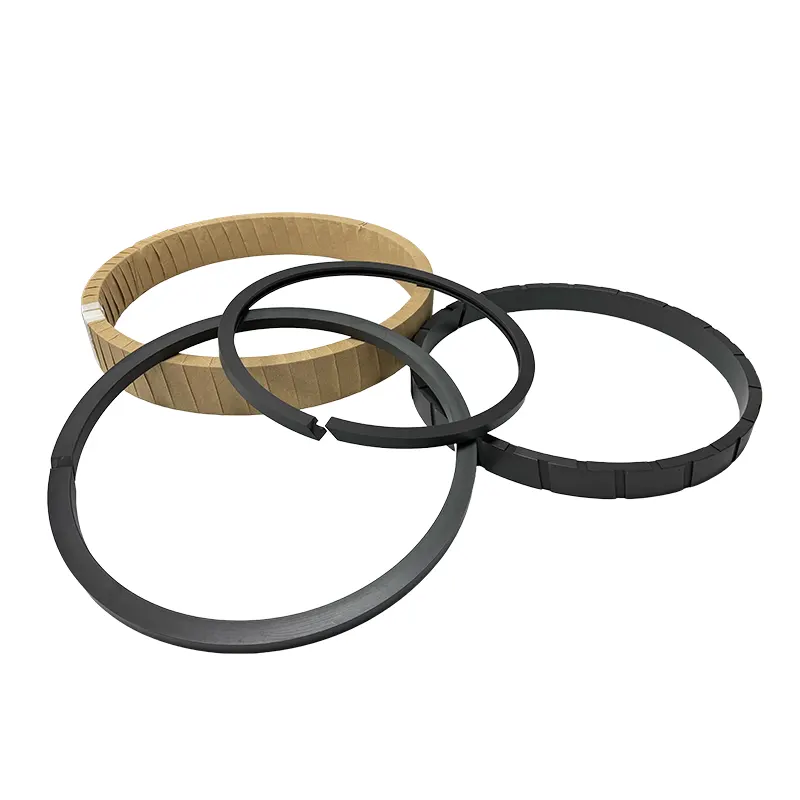

Introduction to the Function and Function of Piston Rings
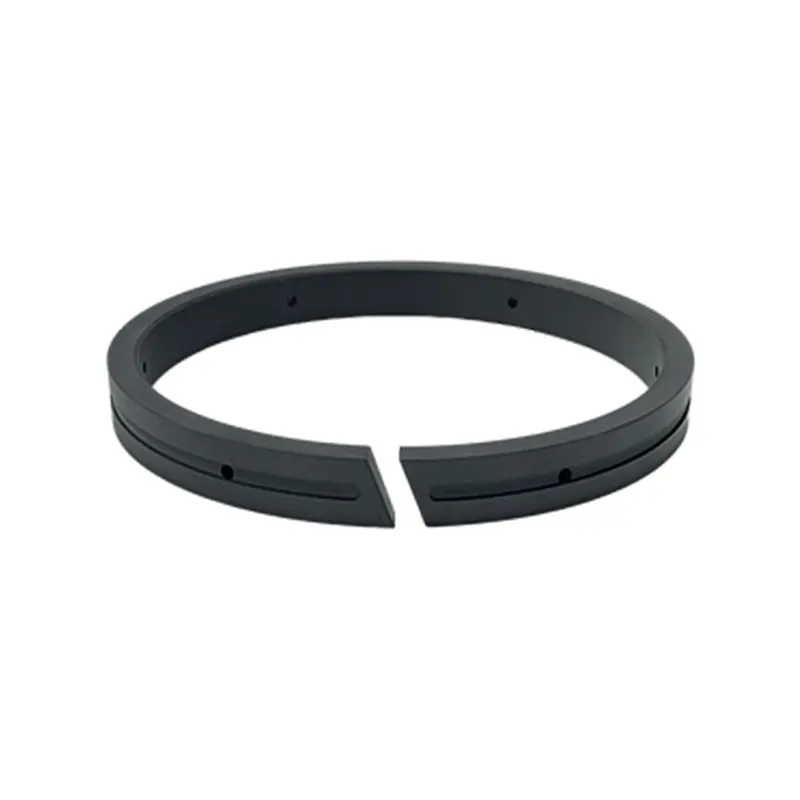
The function of the piston ring is to ensure the sealing between the cylinder and the piston, prevent air leakage, and transfer most of the heat absorbed by the piston top to the cylinder wall, which will be carried away by the cooling water; The oil ring plays a role in oil distribution and scraping. When descending, it scrapes off excess oil on the cylinder wall, and when ascending, it spreads a uniform oil film on the cylinder wall.
The piston ring is an important component in internal combustion engines, located in the piston ring groove and serving as a sealing element between the piston and the cylinder. The main function of piston rings is to seal the gap between the piston and the cylinder, preventing gas leakage and oil from entering the combustion chamber. The piston ring also guides the movement trajectory of the piston inside the cylinder, reduces friction between the piston and the cylinder, and helps cool the piston.
There are many types of piston rings, mainly including compression rings, oil rings, and gas rings. The compression ring is a ring tightly attached to the piston, responsible for sealing the high-pressure gas inside the cylinder and preventing gas leakage. The oil ring is located below the compression ring and its main function is to reduce the entry of oil into the combustion chamber and maintain the sealing between the piston and cylinder. The gas ring is a ring located above the compression ring, used to enhance sealing and prevent gas leakage.
The piston ring material is generally made of high-strength, wear-resistant, and high-temperature resistant materials, such as cast iron, alloy steel, stainless steel, etc. The manufacturing process of piston rings includes forging, heat treatment, surface treatment, etc. A good piston ring needs to have high wear resistance, high temperature resistance, high sealing performance, and low friction coefficient.
Piston rings play a crucial role in internal combustion engines. Its quality and performance directly affect the efficiency and lifespan of internal combustion engines. A good piston ring can improve the efficiency of internal combustion engines, reduce wear and damage, and extend their service life. Therefore, when selecting and using piston rings, the following points should be noted:
Firstly, it is necessary to choose piston rings that meet the standards, including size, shape, material, etc. The piston ring should be matched with the piston and cylinder to ensure good sealing and suitable working condition.
Secondly, it is necessary to regularly check the wear of the piston rings and pay attention to timely replacement of damaged piston rings. Severe wear of piston rings can cause a decrease in cylinder pressure, increase fuel consumption and emissions, and affect engine performance.
Additionally, it is necessary to correctly install and adjust the piston rings to ensure their correct position and sealing condition. Improper installation of piston rings can result in uneven clearance between the piston and cylinder, affecting the sealing effect.
Finally, it is necessary to replace the oil of the piston rings in a timely manner to maintain lubrication and cleanliness of the piston rings. Poor oil quality can accelerate piston ring wear and affect sealing effectiveness.
In summary, piston rings are essential components in internal combustion engines, and their quality and performance directly affect the efficiency and lifespan of the engine. Proper selection and use of piston rings, regular inspection and maintenance of piston rings, can effectively improve the performance and service life of internal combustion engines.