
Key points for maintenance and upkeep of piston rings
(1) Daily inspection items
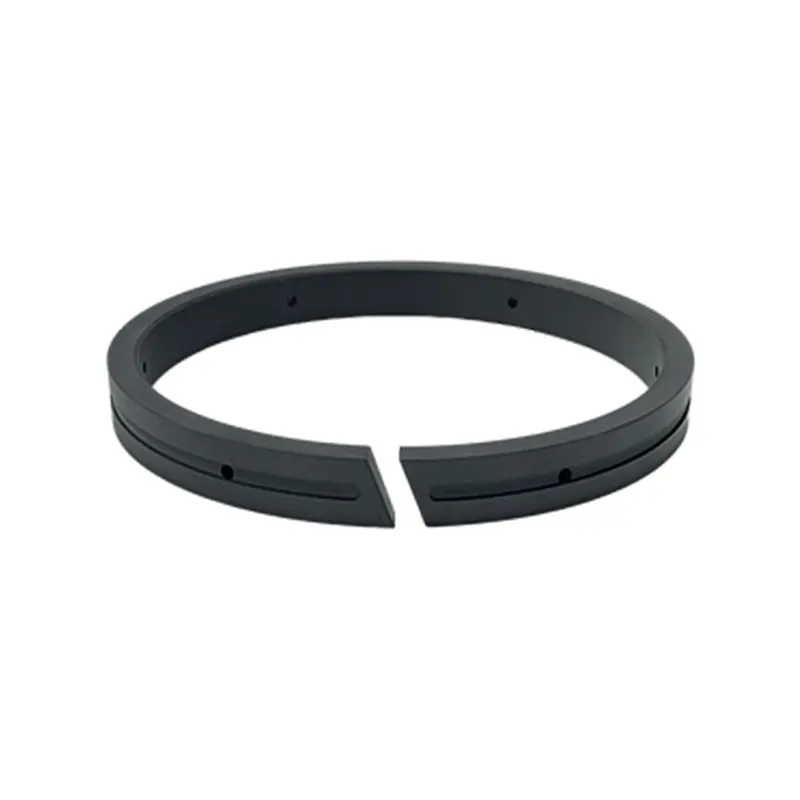
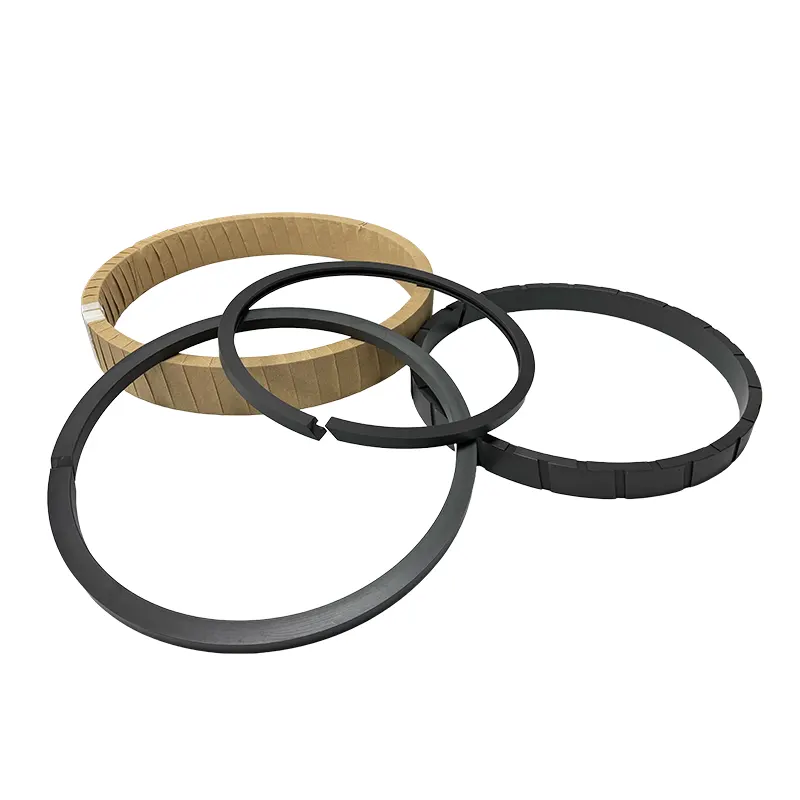
In daily use, it is important to develop a good habit of regularly checking piston rings. Firstly, observe the appearance of the piston ring to see if there are any obvious scratches, cracks, or deformations. Even minor cracks can rapidly expand and cause serious malfunctions in the engine's long-term high-temperature and high-pressure environment. Also, check the opening clearance of the piston ring and measure it with a feeler gauge to ensure that the clearance is within the specified range. Excessive opening clearance can cause gas leakage and reduce engine performance; The clearance is too small, and the piston ring may get stuck due to thermal expansion and contraction during operation. At the same time, pay attention to whether there is carbon accumulation in the piston ring groove. If there is too much carbon accumulation, it will affect the normal activity of the piston ring and thus damage the sealing performance.
(2) Regular maintenance methods
Regularly replacing piston rings is a key measure to ensure engine performance. Generally speaking, according to the frequency and operating conditions of the engine, the replacement of piston rings should be considered every certain number of hours or mileage of operation. When replacing the piston ring, the cylinder should be cleaned at the same time to remove carbon deposits and oil stains on the cylinder wall, ensuring that the piston ring fits well with the cylinder wall. Specialized cylinder honing tools can also be used to lightly hone the cylinder wall, creating a lubricating texture on its surface. Regularly changing the engine oil and oil filter is also essential. High quality engine oil can provide good lubrication and protection for the piston rings, while a clean oil filter can effectively filter impurities and prevent them from entering the engine interior, exacerbating the wear of the piston rings.
(3) Precautions for use
When using a 4-cylinder Perkins engine, it is important to choose the appropriate oil. The viscosity and quality of engine oil should meet the requirements of the engine. Oil that is too thin cannot form an effective oil film, leading to increased wear on the piston rings and cylinder walls; Too thick engine oil will increase the running resistance of the engine and reduce fuel economy. To avoid long-term overload operation of the engine. Overload will cause a sharp increase in the internal temperature of the engine, and the pressure and friction on the piston rings will also increase significantly, accelerating their wear and damage. In addition, when starting the engine cold, avoid immediately running it at high speed. Let the engine idle for a period of time to fully lubricate all components, including the piston rings, and reduce wear.