
Methods and principles for selecting mechanical seals
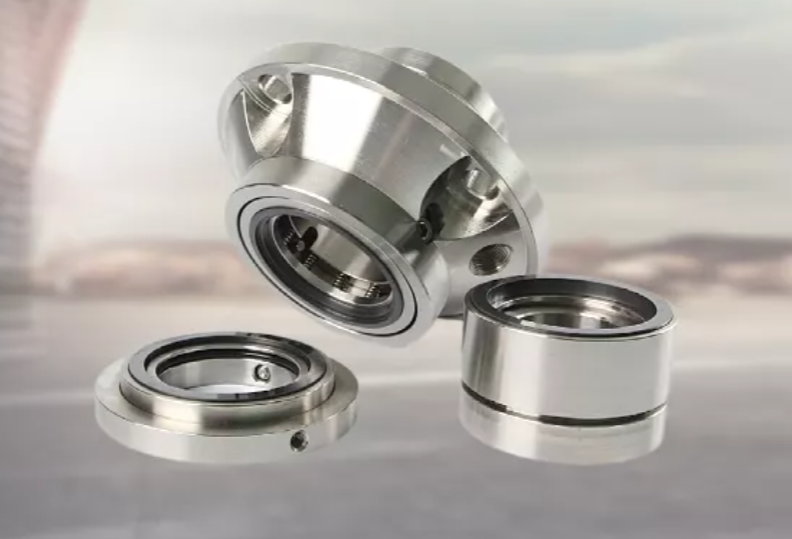
Mechanical seals are one of the more complex mechanical basic components, and are key components of various mechanical seal pumps, reaction synthesis kettles, turbine compressors, submersible motors, and other equipment. Its sealing performance and service life depend on many factors, such as selection, so the following will introduce the methods and principles of its selection.
Selection method:
According to different working conditions and medium properties, mechanical seals include high-temperature and low-temperature resistant mechanical seals, high-pressure and corrosion-resistant mechanical seals, particle resistant mechanical seals, and mechanical seals suitable for light hydrocarbon media that are prone to vaporization. Different structural types and materials of mechanical seals should be selected according to their different uses.
The main parameters for selection include: sealing chamber pressure (MPA), fluid temperature (℃), working speed (M/S), characteristics of fluid mechanical seals, and effective space for installing seals.
The basic principles for selection are:
According to the effective space for installing the seal, determine whether to use multi spring, single spring, or wave spring, internal or external installation.
In summary, selecting mechanical seals based on the above methods can better ensure the use and performance of the equipment, prolong its use, and reduce damage.
According to the pressure of the sealed chamber, determine whether the sealing structure adopts balanced or unbalanced type, single end face or double end face, etc.
According to the working speed, determine whether to use rotary or static, fluid dynamic pressure or non-contact type.
Determine the friction pair and auxiliary sealing materials based on temperature and fluid properties, as well as correctly select mechanical seal circulation protection systems such as lubrication, flushing, insulation, and cooling.