
Mechanical seal application and food processing industry
Mechanical seals in the food industry: dual guardians of safety and efficiency
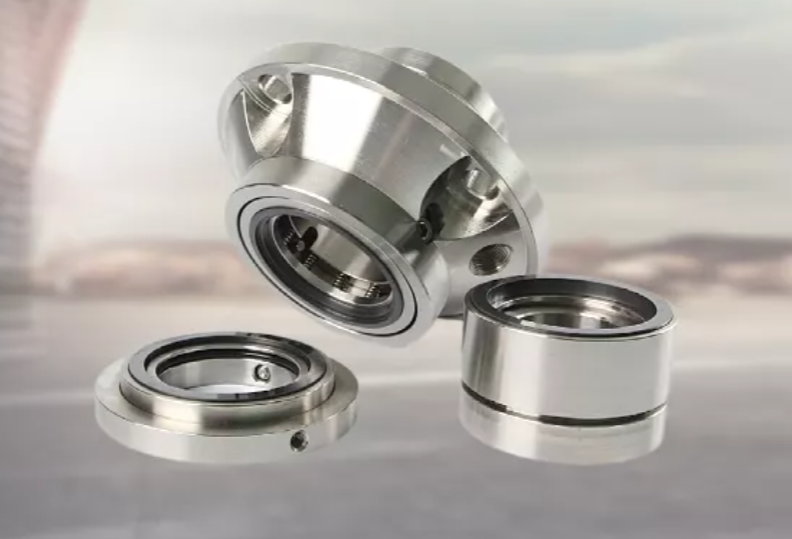
In the food processing industry, mechanical seals, as key components, not only ensure the efficient operation of production equipment, but also become an important defense line for food safety. Its application runs through core equipment such as pumps, mixers, and filling lines, playing an irreplaceable role under strict hygiene standards.
The 'invisible guardian' of health and safety
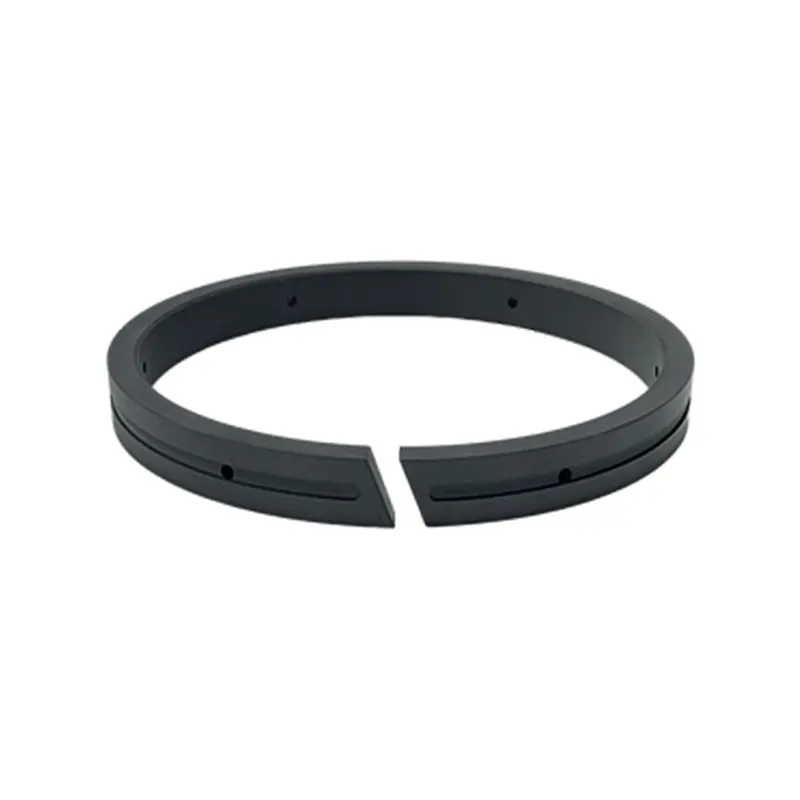
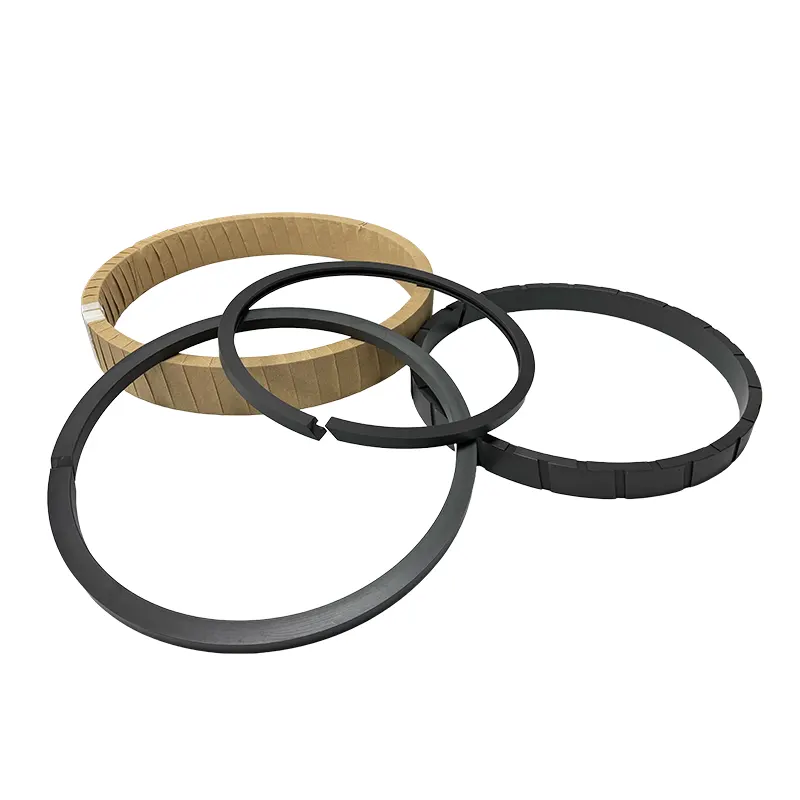
Food production has extremely strict hygiene requirements, and traditional packing seals are prone to leakage, causing lubricating oil or external pollutants to enter the production line and posing a risk of microbial growth. Mechanical seals form a sealing barrier through precisely designed dynamic and static ring contact surfaces, effectively isolating fluid leaks and complying with international health standards such as FDA and EHEDG. For example, in dairy processing, mechanical seals made of food grade materials such as stainless steel, ceramics, and fluororubber can withstand CIP (in-situ cleaning) high temperature and high pressure flushing, avoiding chemical residue contamination.
Balance point between efficiency and cost
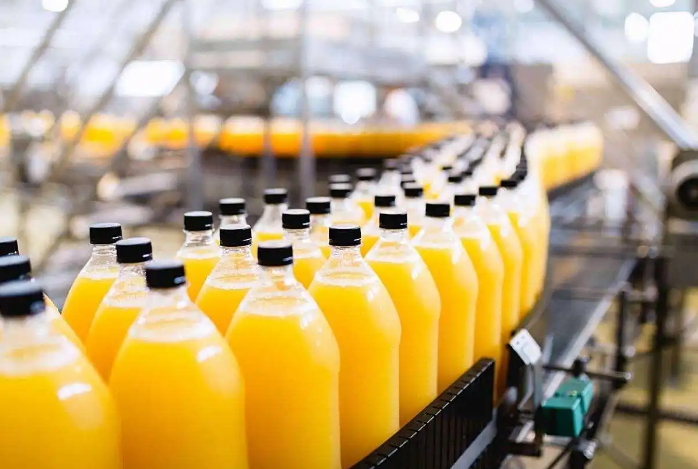
Compared to the maintenance mode of frequent replacement of fillers, mechanical seals have a longer lifespan (usually up to 10000-30000 hours), significantly reducing downtime costs. On the juice filling line, the application of dry gas seal mechanical seals can reduce product waste and prevent liquid from entering the sealing chamber to breed bacteria. In addition, its low friction design can reduce equipment energy consumption by 15% -30%, which is in line with the trend of green production in the food industry.
New direction of intelligent upgrading
With the development of Industry 4.0, new mechanical seals that integrate sensors are becoming popular. By monitoring temperature, vibration, and leakage data in real-time, enterprises can predict the risk of seal failure and achieve preventive maintenance. After a multinational beverage company introduced an intelligent sealing system, the equipment failure rate decreased by 40%, and annual maintenance costs were saved by over a million dollars.
Conclusion
The application of mechanical seals in the food industry is a microcosm of technological innovation and quality control. From eliminating pollution to improving energy efficiency, its value has surpassed the function of a single component and become a key link for food companies to build sustainable competitiveness. In the future, with the integration of materials science and IoT technology, mechanical seals will drive food processing towards a safer and smarter direction