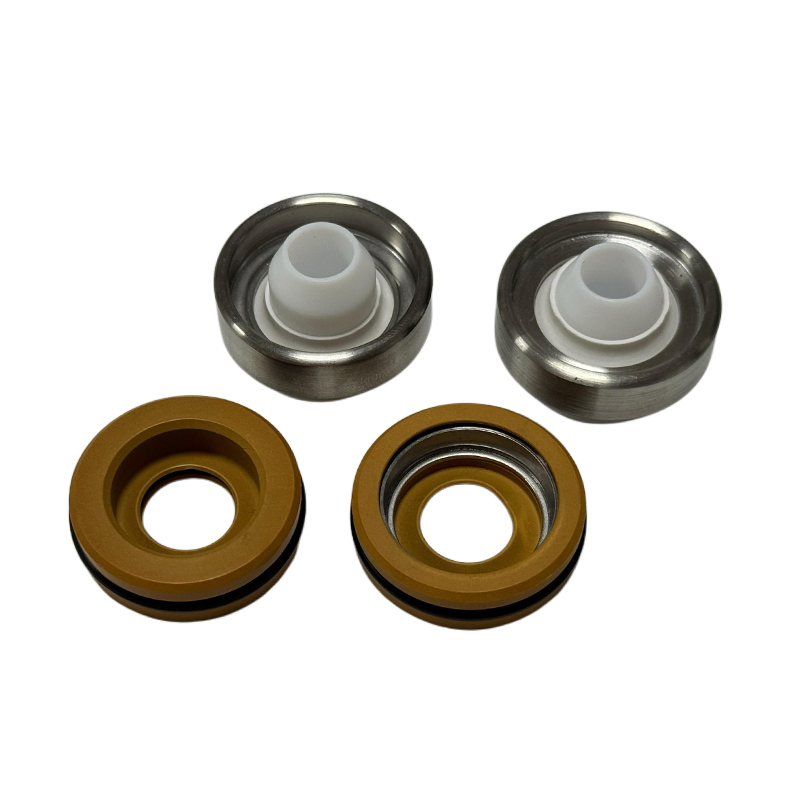
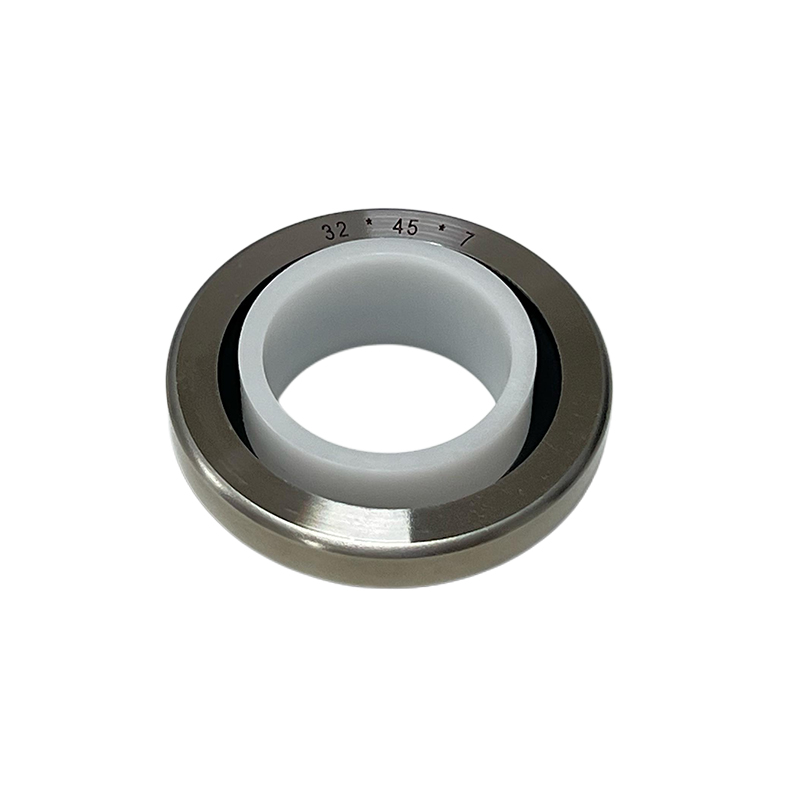
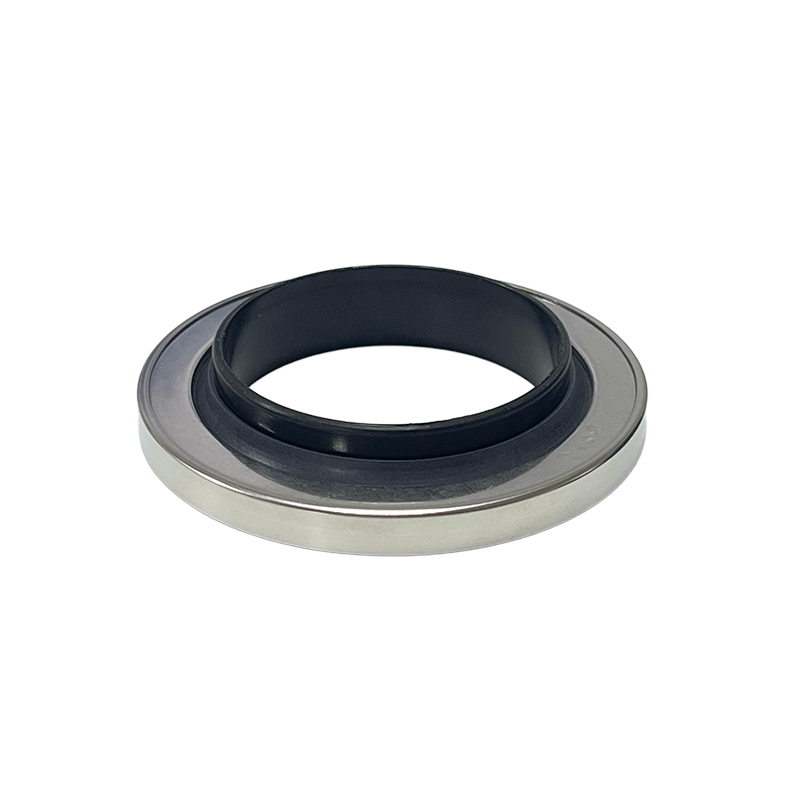
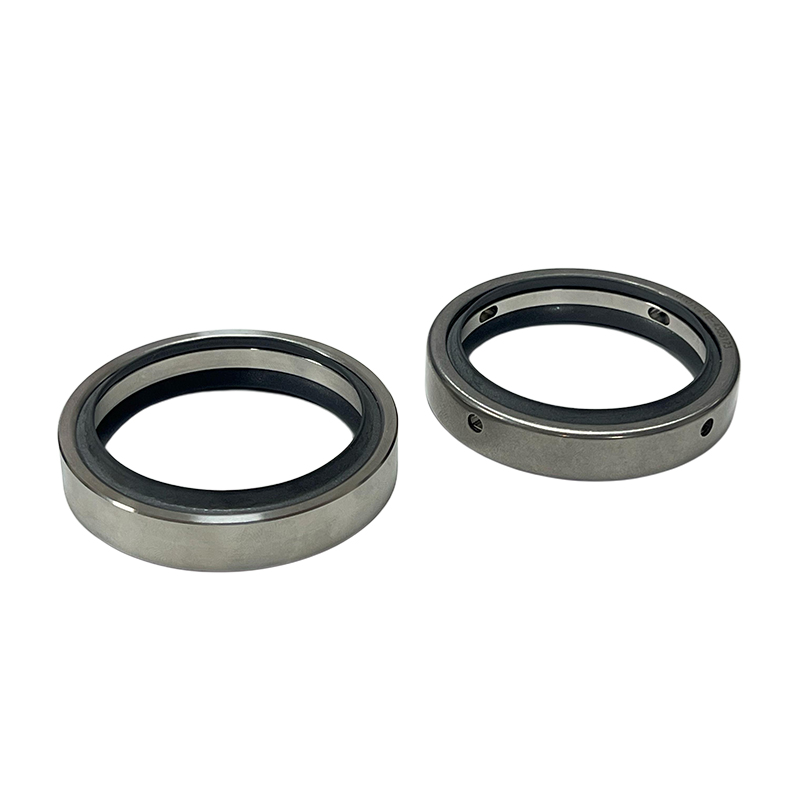
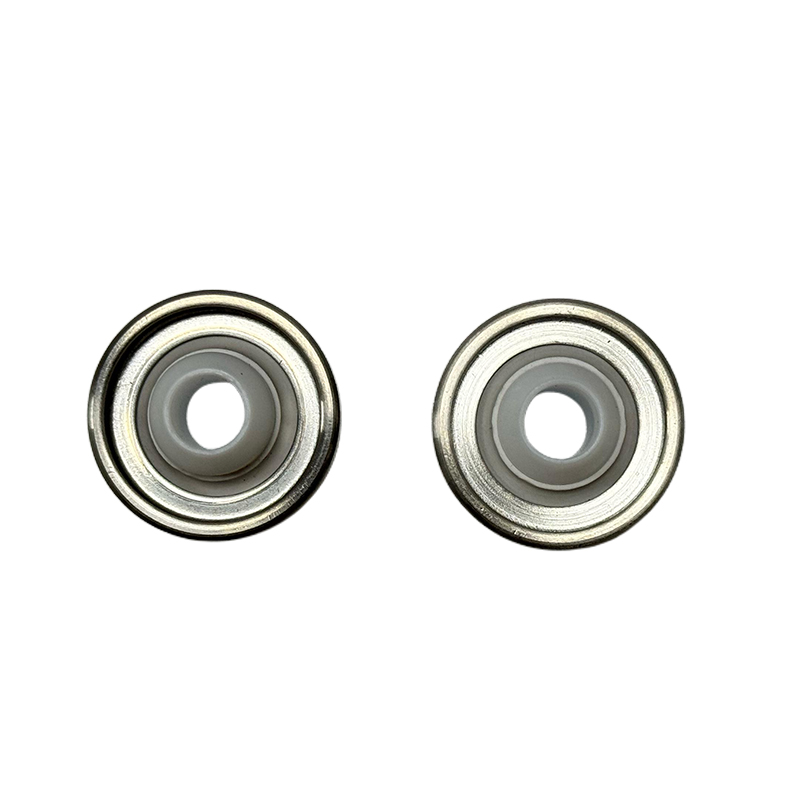
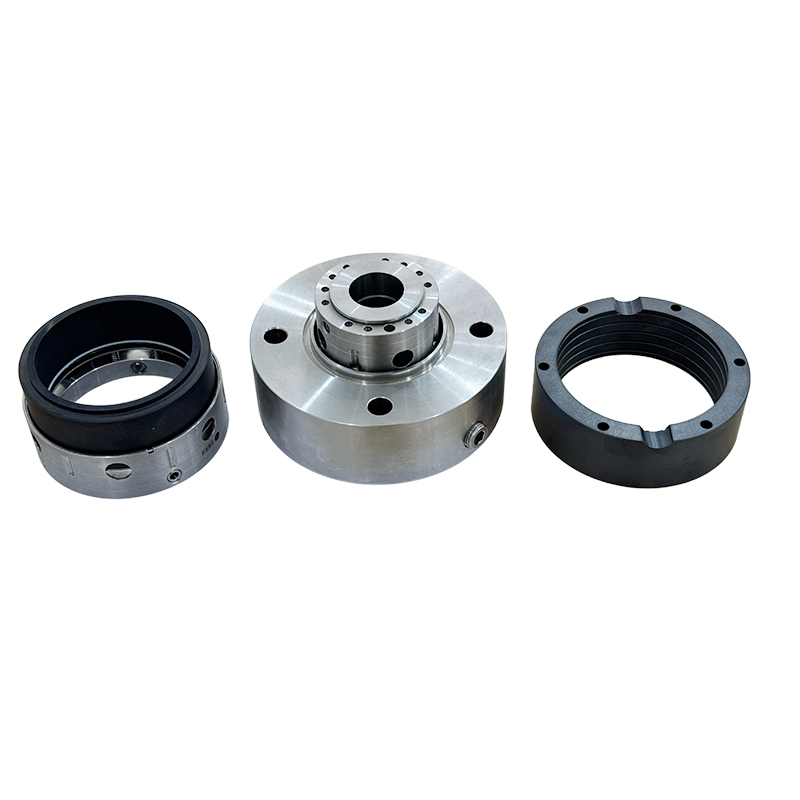
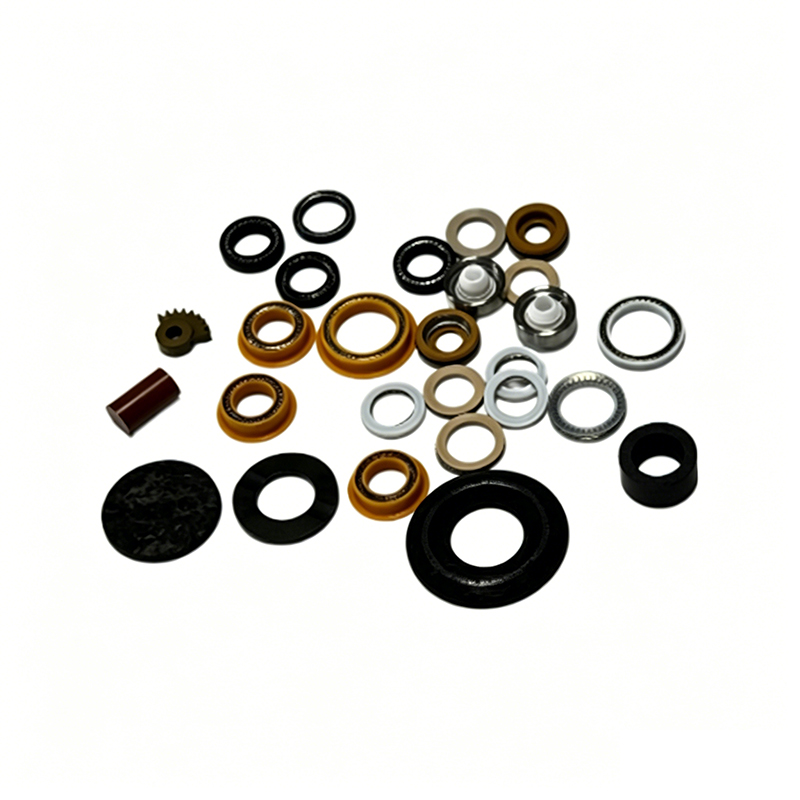
As a key sealing component of rotating equipment, the shaft seal is designed to solve the problem of medium leakage between the rotating shaft and the equipment shell. It is widely used in various industrial equipment such as pumps, compressors, turbines, and mixers. Relying on precise structural design, diverse material adaptation, and strict quality control, this series of shaft seals focuses on the core requirements of “extreme working condition adaptation+long-term stable operation”, covering the entire scene from low pressure to high pressure, normal temperature to extreme temperature zone, conventional medium to strongly corrosive medium, and building a strong sealing defense line for industrial production.
The shaft seal adopts an integrated structure design of "dynamic ring+static ring+elastic compensation mechanism+auxiliary seal", with the core centered around "dynamic fitting+adaptive compensation" to achieve efficient sealing. The moving ring rotates synchronously with the rotating shaft, and the stationary ring is fixed to the equipment housing. The sealing surfaces of the two are precisely ground to form a micrometer level bonding gap; The built-in elastic compensation mechanism (such as spring, bellows) provides continuous pre tightening force, ensuring that the sealing surface is always tightly adhered, and can automatically compensate for size changes caused by sealing surface wear, shaft movement, and thermal expansion.
The auxiliary seals are made of heat-resistant and corrosion-resistant elastic materials, and are installed between the moving ring and the shaft, and between the stationary ring and the housing, respectively, to block the side leakage path. For different working conditions, the product has evolved into various structural forms such as comb teeth (labyrinth), carbon ring, and container. The comb teeth reduce pressure through multi-stage gap throttling, utilizing the conversion of kinetic and thermal energy to achieve step-by-step pressure reduction. The steam leakage is controlled within 0.5% to 1% of the rated flow rate; Carbon ring type, with its self-lubricating properties, can automatically compensate for wear and is suitable for medium and low pressure scenarios; Containerized design adopts modular integration to simplify the installation process and improve sealing reliability.
According to the requirements of the working conditions, the shaft seal forms a product matrix covering the entire scene, accurately matching different equipment and working conditions:
Material selection focuses on precise matching of performance and working conditions: The sealing surface material is selected from silicon carbide (SiC), hard alloy (WC), ceramics, carbon graphite, etc. The hard to hard combination (such as SiC/SiC) is suitable for media containing solid particles, while the hard to soft combination (such as WC/carbon graphite) balances sealing effect and wear resistance; The elastic compensation mechanism uses fatigue resistant materials such as stainless steel and Inconel alloy to ensure stable elasticity during long-term use; The auxiliary seals are made of fluororubber (FKM), polytetrafluoroethylene (PTFE), perfluororubber (FFKM), etc., which are suitable for different temperature and medium scenarios.
The shell and metal components are selected according to the working conditions, such as 304 stainless steel, 316L stainless steel, Hastelloy alloy, etc., to resist strong corrosive media and adapt to harsh environments such as chemical and marine industries.
The product application scenarios cover all fields of industry: in the petrochemical industry, it is compatible with reaction kettle stirring shafts and medium conveying pumps to resist high-pressure and highly corrosive media; In the power industry, it is used for steam turbine shaft end seals and desulfurization slurry circulation pumps to improve unit efficiency and stability; In the water treatment industry, it is suitable for various types of water supply pumps and sewage pumps to ensure that the medium is transported without leakage; In the pharmaceutical and semiconductor industries, meeting the requirements of clean environment and low pollution, and adapting to special process needs.